
How Enterprises Achieved 3× Faster Insights Using Singdata Lakehouse
Enterprises achieve 3× faster insights and real-time analytics with Singdata Lakehouse, improving query speed and reducing costs for better business decisions.

You experience Faster Insights when you use Singdata Lakehouse’s unified architecture. Enterprises see up to 3× faster results compared to traditional systems. The table below shows how Singdata Lakehouse outperforms others in real-time analytics and cost efficiency:
Performance Scenario | Singdata Lakehouse | Other Systems |
|---|---|---|
Real-time Analytics | 2.6x-9.6x faster | Snowflake |
Cost Efficiency | 3x-6x lower | Snowflake |
Cost Efficiency | 6x-12x lower | Databricks |
You benefit from rapid query speed.
You save more on costs.
You gain real-time analytics for better business decisions.
Key Takeaways
Singdata Lakehouse delivers analytics up to 3× faster than traditional systems, enabling quicker decision-making.
The platform significantly reduces costs, with savings of up to 10x, allowing businesses to allocate resources more effectively.
Real-time analytics integration helps businesses respond swiftly to market changes, enhancing competitiveness.
Migrating to Singdata Lakehouse is seamless, with minimal disruption and compatibility with existing data formats.
The unified architecture simplifies data management, improving data quality and governance for better business outcomes.
Faster Insights and Key Results
Accelerated Query Performance
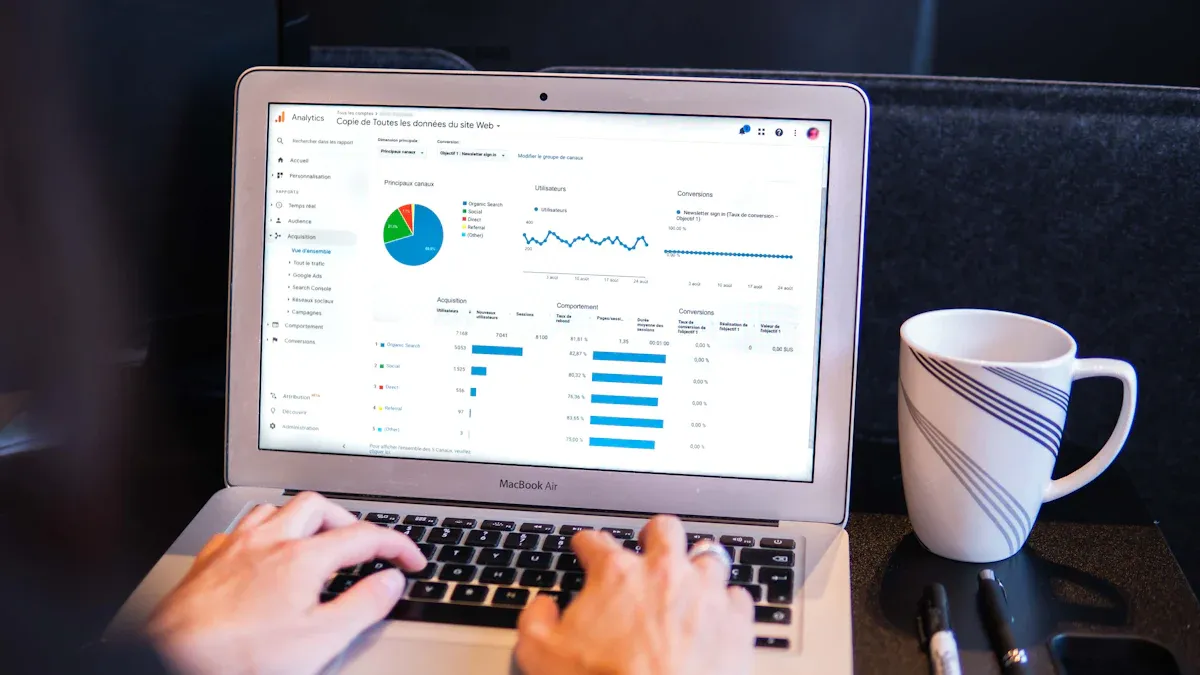
You unlock Faster Insights when you use Singdata Lakehouse. The platform delivers analytics in under a minute, which helps you make decisions quickly. NinjaVan, a leading logistics company, achieved a 10x boost in query speed after switching to Singdata Lakehouse. You see results much faster than with legacy systems. The Lakehouse engine uses General Incremental Computing, which processes data more efficiently. You do not wait for long batch jobs to finish. Instead, you get answers almost instantly. This speed is essential for critical workloads where every second counts.
Cost Efficiency Gains
You save money when you choose Singdata Lakehouse. The unified architecture reduces infrastructure costs by combining batch and streaming data processing. You do not need separate systems for different types of data. NinjaVan reported up to 10x cost reduction after migrating to Singdata Lakehouse. The platform optimizes resource usage, so you pay less for storage and compute. You benefit from lower operational expenses and improved budget control. The cost savings allow you to invest in other areas of your business.
Benefit | Singdata Lakehouse | Traditional Systems |
|---|---|---|
Query Speed | 3× faster | Slow |
Cost Reduction | 10x lower | High |
Real-Time Analytics | Yes | Limited |
Real-Time Analytics
You gain real-time analytics with Singdata Lakehouse. The platform integrates batch and streaming data using serverless computing and Databricks SQL. You process events as they happen, not hours later. Spark structured streaming and Delta Lake interfaces unify your data flows. You analyze information from multiple sources in one place. This integration reduces complexity and increases processing speed. You make smarter decisions because you see the latest data. Faster Insights become part of your daily operations, helping you respond to changes in the market.
Tip: You can use Singdata Lakehouse to monitor business metrics in real time. This helps you spot trends and act before your competitors.
You experience Faster Insights through a combination of advanced compute engines, unified data architecture, and efficient resource management. These features set Singdata Lakehouse apart from traditional systems and give you a competitive edge.
Enterprise Data Challenges
Slow Analytics
You often face slow analytics when you rely on legacy data systems. These systems struggle to deliver timely insights because of several technical issues. For example, inefficient middleware can create delays during data transformation and routing. Data silos and manual processes slow down data transfer, making it hard for you to get the information you need. Compatibility problems with older operating systems can also cause instability and performance drops.
Cause of Slow Analytics | Performance Implications |
|---|---|
Inefficient Middleware | Delays during data transformation, message queuing, and routing can introduce significant latency. |
Data Silos and Communication Breakdowns | Manual processes slow down data transfer, leading to delays in data availability and operational bottlenecks. |
Operating Environment and Virtualization | Compatibility issues with newer OS can lead to performance overhead and instability in legacy applications. |
You may notice that slow query response times affect your ability to make quick decisions. Many companies, like Atlas, have struggled with these issues, which can limit your business growth and agility.
High Costs
You might find that traditional analytics platforms come with high costs that go beyond software licenses. Hardware investments, integration challenges, and data management expenses often outpace the cost of the software itself. For small and mid-sized businesses, these financial demands can disrupt budgets and limit your ability to invest in new opportunities. Many organizations end up locked into expensive systems that drain resources without delivering enough value.
Traditional data infrastructures were not designed for today’s scale, so storage and compute expenses grow quickly as you handle more data.
Maintenance costs for hardware, licensing, and specialized talent drive up total ownership costs.
According to a 2024 Gartner report, enterprises overspend by up to 40% on legacy data warehouse and lake operations due to underutilized resources and inefficient scaling models.
💡 You can reduce these costs by moving to a modern, unified data platform.
Migration Barriers
You may want to modernize your data platform, but migration comes with its own set of challenges. System compatibility issues often arise because legacy data formats and database structures do not match modern cloud platforms. This can cause data corruption, downtime, and project delays. Data loss prevention is another concern, as nearly a quarter of organizations experience data loss during migration, risking permanent loss of records and compliance problems.
Barrier Type | Problem Description | Impact Description |
|---|---|---|
System Compatibility Issues | Legacy data formats clash with modern platforms. | Causes data corruption, system downtime, and project delays averaging 3-6 months. |
Data Loss Prevention | Critical business data can be lost during transfer. | 23% of organizations experience data loss, leading to permanent loss of records and compliance risks. |
Data Security and Compliance | Sensitive data exposure during transit. | Leads to compliance violations and security breaches. |
Data Silos | Fragmentation across enterprise systems. | Results in differing schema and governance models, complicating data integration. |
You also need to consider governance, downtime risks, and the extra engineering work required to ensure a smooth migration. These barriers can slow your progress and increase the risk of failure if not managed carefully.
Transformation Journey
Migration to Lakehouse
You start your transformation by evaluating modern data architectures that improve processing and analysis performance. Many enterprises, like yours, face compatibility challenges with alternative platforms and recognize migration hurdles due to existing workflows. To overcome these obstacles, you seek a Lakehouse-based integrated data platform that minimizes migration overhead. Singdata Lakehouse stands out for its compatibility and performance. You can embed the Singdata engine directly into your existing data lakes, which means you avoid time-consuming data transfers. This design allows you to maintain compatibility with your current workloads and migrate progressively. You also enable real-time data analysis for your business intelligence teams and scale resources dynamically as your needs change.
Typical migration steps include:
Evaluate modern data architectures for better performance.
Identify compatibility challenges with other platforms.
Recognize migration hurdles from existing workflows.
Choose a Lakehouse platform to reduce migration overhead.
Select Singdata Lakehouse for its compatibility and speed.
Embed the engine into your current data lakes.
Achieve compatibility with existing workloads for a smooth transition.
Enable real-time analytics for your teams.
Scale resources based on demand.
Unified Architecture
You benefit from a unified data platform that integrates all your data sources. This seamless integration simplifies data management and analytics. You gain real-time analytics capabilities, which help you act on time-sensitive information quickly. Improved data governance features maintain data quality and compliance, supporting better decision-making. With Singdata Lakehouse, you see performance improvements such as 6x faster ETL processing and up to 10x better BI query performance. You also experience a 66% reduction in infrastructure costs and near-zero migration friction, with less than 1% code changes required.
Note: You can integrate Singdata Lakehouse with your existing Spark or Presto workloads without disruption.
Scalability and Flexibility
You need a solution that grows with your business. Singdata Lakehouse provides scalability and flexibility to handle diverse data types and volumes. The platform adapts easily to changing data sources and structures, so you can accommodate future growth without major upfront modeling. Its cloud-agnostic design supports multiple cloud environments and lets you dynamically scale resources to meet business needs. The serverless architecture avoids vendor lock-in and ensures data portability, making it easy to integrate with your current and future tools. This flexibility helps you achieve Faster Insights and stay ahead in a competitive market.
Technical Solutions
Incremental Compute Engine
You boost your analytics speed with Singdata Lakehouse’s incremental compute engine. This engine processes only new or changed data, so you avoid repeating work. You see results faster because the system skips unnecessary steps. You handle both batch and streaming data in one place. This approach lets you analyze information as soon as it arrives. You do not wait for long jobs to finish. Your team can run queries in seconds, which helps you respond quickly to business needs.
Tip: Use incremental processing to reduce compute time and improve efficiency for daily reports.
Data Lake Standards
You benefit from Singdata Lakehouse’s advanced data lake standards. The platform follows industry best practices for performance, cost, and architecture. You get faster analytics and lower costs compared to other solutions. The table below shows how Singdata Lakehouse compares to Snowflake and Databricks:
Metric | Singdata Lakehouse | Snowflake | Databricks |
|---|---|---|---|
Performance | 2.6x-9.6x faster | Best performance | Lower performance |
Cost | 3x-6x lower | Higher cost | 6x-12x higher cost |
Architecture | Advanced Lakehouse | Similar to Databricks | Ease of use similar to Snowflake |
You use a platform that supports open standards and modern architecture. This makes it easier to integrate with your existing tools. You avoid vendor lock-in and keep your data portable.
Resource Optimization
You optimize your resources with Singdata Lakehouse. The platform uses smart strategies to improve performance and lower costs. You process queries efficiently, which means you get answers faster. You scale analytics across large datasets without hitting bottlenecks. You also reduce your infrastructure costs by up to 50%. The table below highlights these strategies and their impact:
Strategy | Measurable Impact |
|---|---|
Efficient Query Processing | Faster response times for data queries |
Scalability Across Large Datasets | Supports linear growth of data analytics without bottlenecks |
Reduced Infrastructure Costs | Lowers total cost of ownership (TCO) by 50% |
Optimized Resource Utilization | Better performance at a lower cost |
Note: You can achieve better performance and save money by using optimized resource management in Singdata Lakehouse.
You gain a technical advantage with these solutions. Your analytics become faster, more reliable, and more cost-effective.
Business Impact
Stable BI Operations
You achieve stable business intelligence (BI) operations with Singdata Lakehouse. The platform supports continuous data processing and reliable analytics. You avoid downtime and disruptions that often occur with legacy systems. Your BI teams run reports and dashboards without delays. The unified architecture ensures that your data remains consistent and accurate. You maintain compliance and data governance with built-in controls. This stability helps you make decisions with confidence.
Note: You can rely on Singdata Lakehouse to deliver consistent performance, even during peak business hours.
Enhanced Development Speed
You accelerate your development cycles when you use Singdata Lakehouse. Developers report that they build and deploy analytics solutions much faster than before. You see improvements in speed and cost efficiency. The following table shows how Singdata Lakehouse compares to other vendors:
Metric | Value |
|---|---|
Speed | 8.8 times faster than Vendor B on average |
Cost Efficiency | 50% of BigQuery's computing resource cost |
Cost Comparison | 18% of BigQuery Standard Edition cost |
You spend less time waiting for data pipelines to finish. Your teams iterate quickly and deliver new features to business users. You also reduce your computing costs, which allows you to allocate resources to other projects.
💡 Faster development means you respond to market changes and customer needs more effectively.
Case Study Highlights
You see real-world results from enterprises that adopted Singdata Lakehouse. NinjaVan improved query speed by 10 times and reduced costs by up to 10 times. Atlas overcame slow analytics and high infrastructure expenses. These companies migrated to Singdata Lakehouse with minimal disruption. You can follow their example to modernize your data platform. You gain faster insights, lower costs, and stable operations.
NinjaVan: Achieved 10x faster queries and 10x cost reduction.
Atlas: Solved slow analytics and cut infrastructure costs.
Multiple enterprises: Migrated with less than 1% code changes.
You benefit from proven success stories and measurable improvements. Singdata Lakehouse helps you transform your business and stay competitive.
Future Outlook
Innovation in Data Analytics
You stand at the edge of a new era in data analytics. Singdata Lakehouse continues to drive innovation by combining advanced compute engines with a unified data platform. You can now analyze both structured and unstructured data in one place. This approach helps you discover patterns and trends that were once hidden. You use real-time analytics to make decisions faster than ever before. Machine learning and AI tools become more accessible, allowing your teams to build smarter solutions. You see improvements in data quality and governance, which support better business outcomes.
Note: With Singdata Lakehouse, you can experiment with new analytics models without disrupting your existing workflows.
You also benefit from seamless integration with popular BI and data science tools. This flexibility lets you adapt quickly as your business needs change. You stay ahead of competitors by turning data into actionable insights.
Preparing for Evolving Demands
You face growing data volumes and changing business requirements every day. Singdata Lakehouse gives you the tools to keep up with these demands.
You manage and process vast amounts of data efficiently.
You support analytics and AI to deliver actionable insights.
You adapt to new data sources and formats with ease.
You scale your resources as your organization grows.
You prepare for the future by choosing a platform that evolves with you. Singdata Lakehouse helps you stay agile in a fast-changing market. You meet new challenges with confidence, knowing your data platform can handle whatever comes next.
💡 Tip: Regularly review your analytics strategy to ensure you get the most value from your data as your needs evolve.
You achieve 3× faster insights with Singdata Lakehouse. The platform improves query performance by up to 60% and supports real-time analytics for immediate decision-making. You benefit from unified data management, cost efficiency, and enhanced data quality. The table below highlights key advantages:
Benefit | Description |
|---|---|
Real-time analytics | Immediate insights and decision-making |
Improved data accessibility | Seamless access for diverse teams |
Support for advanced analytics | Direct machine learning on stored data |
Enhanced data quality | ACID compliance for reliability |
Cost efficiency and scalability | Affordable cloud storage and easy scaling |
Unified data management | Handles all data types in one system |
You prepare for future growth with ongoing innovations:
Generative AI integration for smarter analytics
Secure data sharing and collaboration
Edge-to-cloud pipelines for IoT data
Zero ETL architectures to reduce complexity
Responsible AI and improved governance
You stay ahead by adopting a lakehouse platform that evolves with your business needs.
FAQ
What makes Singdata Lakehouse different from other data platforms?
You use a unified architecture that combines batch and streaming data. This design helps you process information faster and manage costs better. You gain Faster Insights and avoid the complexity of using multiple systems.
How does Singdata Lakehouse help reduce costs?
You lower your expenses by using one platform for all data types. The system optimizes resource usage and scales as needed. You avoid paying for unused capacity and reduce infrastructure costs.
Can I migrate my existing data to Singdata Lakehouse easily?
You can migrate with minimal disruption. The platform supports your current data formats and workloads. You avoid long downtimes and keep your business running smoothly during the transition.
Does Singdata Lakehouse support real-time analytics?
You analyze data as soon as it arrives. The platform integrates batch and streaming processes, so you see up-to-date information. You make decisions quickly with real-time analytics.
What kind of support does Singdata Lakehouse offer for compliance and security?
You get built-in controls for data governance and security. The platform helps you meet compliance standards and protect sensitive information. You manage access and monitor activity with ease.
See Also
Enhancing Dataset Freshness by Linking PowerBI with Singdata Lakehouse
The Significance of Lakehouse Architecture in Modern Data Environments
A Comprehensive Guide to Safely Link Superset with Singdata Lakehouse
How Iceberg and Parquet Revolutionize Performance in Data Lakes
Smart Data Solutions for Enterprises Focused on AI Innovation