
GDPR Compliance: How to Quickly Reprocess Historical Data for Deletion Requests
GDPR Compliance made simple: Quickly reprocess historical data for deletion requests using automation, secure deletion, and thorough documentation.

You need to act fast and stay organized when handling GDPR data deletion requests, especially for historical data. Old records in backups or archives make this process complex. You can reduce mistakes by building continuous, auditable processes and using automation tools. If you do not follow gdpr compliance, you risk large fines, legal costs, lost trust, and business disruptions. Taking clear, practical steps helps you protect your business and your customers.
Key Takeaways
Understand the right to erasure under GDPR. Individuals can request deletion of their personal data, and organizations must comply within one month.
Verify the identity of individuals making deletion requests. Use a clear process to confirm their identity and protect against fraudulent requests.
Map and locate all personal data within your systems. Knowing where data resides helps you respond to deletion requests quickly and accurately.
Consider secure deletion versus anonymization. Secure deletion removes data permanently, while anonymization changes data to prevent identification.
Document every step of the deletion process. Good records show compliance with GDPR and protect your organization during audits.
Understanding GDPR Data Deletion Requests

What Is the Right to Erasure?
You have the right to ask organizations to delete your personal data under Article 17 of the GDPR. This right to erasure, sometimes called the right to be forgotten, gives you control over your information. When you make a request, the organization must remove your personal data without undue delay. Usually, they must finish this process within one month. If they do not comply, they may face penalties under GDPR rules.
You can exercise the right to erasure in several situations. The table below shows the main conditions:
Condition | Description |
|---|---|
Personal data no longer necessary | The data is not needed for its original purpose. |
Withdrawal of consent | You take back your permission, and no other legal reason exists to keep it. |
Objection to processing | You object, and no strong reason exists to continue processing. |
Unlawful processing | The organization processed your personal data unlawfully. |
Compliance with legal obligation | The law requires the organization to erase your personal data. |
Data collected for information society services | The data was collected for online services. |
Sometimes, organizations cannot delete your personal data right away. They may need to keep certain records for legal compliance, ongoing contracts, public interest, or legal claims.
Note: The frequency of GDPR data deletion requests varies. Some organizations receive none, while others handle dozens each day. Since 2018, requests have increased, showing that more people care about their personal data.
Why Historical Personal Data Is Challenging
You may find that deleting historical personal data is not simple. Many organizations store personal data in backups, archives, or data lakes. These systems often use distributed architectures and legacy software. You must deal with technical barriers like confirming deletion, validating searches, and checking backups.
The table below lists common challenges:
Barrier Type | Description |
|---|---|
Distributed Architectures | Hard to erase data across many systems. |
Legacy System Integration | Older systems may not support data deletion. |
Third-Party Integration | External vendors may not delete personal data quickly. |
Validation and Verification | You must check that deletion worked everywhere. |
Backup Verification | Backups must not restore deleted personal data. |
Audit Trail Maintenance | You need proof of deletion without keeping the erased data. |
You must follow gdpr rules and use careful processes to handle these challenges. If you do not, you risk failing to protect personal data and breaking gdpr laws.
GDPR Compliance: Handling Historical Data
Verifying Data Deletion Requests
You must always verify the legitimacy of data deletion requests before you start any action. This step protects you from deleting personal data for the wrong person. You should follow a clear process to confirm the identity of the person making the request.
Here is a simple checklist you can use:
Use basic checks like verifying usernames or passwords linked to the account.
Avoid asking for formal identification unless you have no other option.
If you need more proof, use details like recent transactions.
For third-party requests, check their authority to act for the individual.
If you ask for photo identification, handle it securely and destroy it after use.
You should adjust your verification steps based on how sensitive the personal data is. Always keep a record of your decision-making process. This helps you show gdpr compliance if someone asks.
Tip: Never skip the verification step. It prevents scammers from abusing data deletion rights and protects your customers.
Mapping and Locating Personal Data
You need to know where all personal data lives in your systems. This is the only way to handle erasure requests quickly and correctly. Start by identifying every place your organization collects personal data. Chart how this information moves between systems.
Follow these steps to map and locate personal data:
Identify all personal data your organization collects.
Track how personal data flows through your systems.
Evaluate why you process this data and if you have a legal reason.
Make a full inventory of all personal data.
Check your data protection protocols to make sure they work.
Keep privacy documents that show your data mapping results.
Update your data maps often and report changes.
You can start with manual discovery to see where personal data exists. Set up classification standards and rules for data governance. As your organization grows, use automated tools to scan both structured and unstructured data. Automation helps you keep up with large amounts of personal data and supports gdpr compliance.
Note: Regular audits help you find gaps in your data protection and keep your data maps up to date.
Secure Deletion vs. Anonymization
When you get erasure requests, you must decide if you will delete the personal data or anonymize it. Secure deletion means you remove the data so no one can recover it. Anonymization means you change the data so it cannot identify anyone.
Here is a table to help you understand the differences:
Dimension | Secure Deletion | Anonymization |
|---|---|---|
Reversibility | No, data is gone forever | No, cannot reverse |
GDPR Status | Required for personal data | Not personal data, GDPR does not apply |
Main Use Case | Erasure requests, end-of-life | Analytics, testing, demos |
Security Risk | Very low after deletion | Very low, data cannot identify anyone |
Breach Notification | Not needed after deletion | Not needed |
Data Subject Rights | Must fulfill erasure requests | No obligation |
For secure deletion, you should follow standards like NIST SP 800-88 or ISO/IEC 27001. These standards require you to overwrite data many times to make sure it is gone. Some tools, like BitRaser, use strong algorithms to make sure you are permanently deleting data. This supports gdpr compliance and protects your organization from fines.
Alert: If you only pseudonymize data, you must still treat it as personal data under gdpr. Only true anonymization removes your obligations.
Documenting and Auditing the Process
You must document every step you take during data deletion requests. Good records show that you respect data deletion rights and follow gdpr compliance rules.
Here is what you should document:
Acknowledge when someone withdraws consent.
Record how you verified the identity of the data subject.
Track where you found and deleted personal data.
Send confirmation of deletion to the person who made the request.
You should also keep an audit trail for every erasure request. This means you record who approved the deletion, when it happened, and if it succeeded. Keep a log of all actions, including approval dates and status. Review your audit logs often to make sure you follow gdpr and fix any problems.
Practice | Description |
|---|---|
Maintain an Audit Trail | Record every step of the deletion process, including who authorized it, when it occurred, and its success status. |
Document Deletion Actions | Keep a dedicated action execution log to track details like Approval UPN, Approval Date, and Action Status. |
Conduct Regular Audits | Regularly review audit logs to ensure compliance and identify any issues in the deletion process. |
Reminder: Good documentation and regular audits protect you during investigations and show your commitment to data protection.
Automating Data Deletion Requests
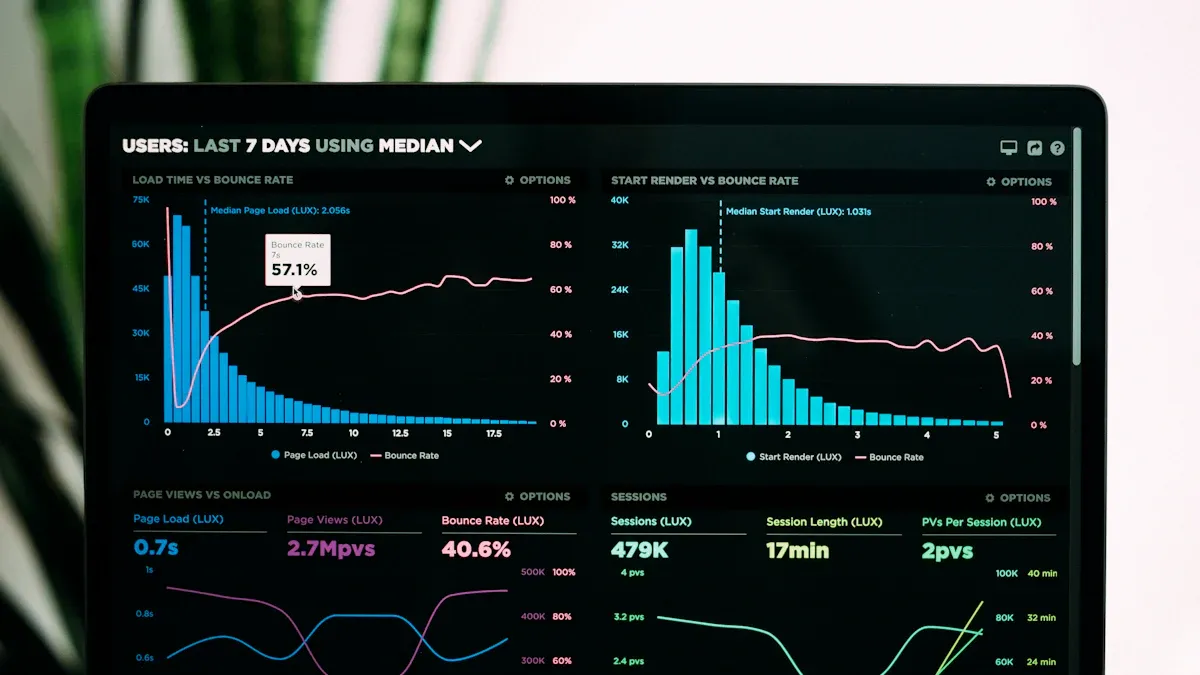
Tools and Technologies for Automation
You can use automation to handle dsars and the right to be forgotten more efficiently. Many companies choose tools that help them manage gdpr compliance and reduce errors. Some of the most popular solutions include:
Appsmith, a self-hosted low-code platform, helps you automate and track data deletion requests. It sends notifications and keeps audit logs for transparency.
SecureSlate offers a simple portal for dsars, consent management, and automated checklists. This tool works well for small and medium businesses.
OneTrust leads the market with automated dsar workflows, data mapping, and breach management.
TrustArc provides flexible privacy assessments, risk dashboards, and audit trails.
Securiti.ai uses artificial intelligence to automate gdpr tasks and manage the right to be forgotten.
When you choose a tool, look for features that match your needs. The table below shows what to consider:
Feature | Description |
|---|---|
Functional Requirements | Meets your gdpr and right to be forgotten needs. |
Technical Compatibility | Works with your current systems. |
Scalability Needs | Handles your data volume and business growth. |
Usability Requirements | Easy for legal, IT, and business teams to use. |
Budget Constraints | Fits your budget for setup and ongoing costs. |
Streamlining Workflows for GDPR Compliance
You can speed up dsars and the right to be forgotten by removing manual steps. Automation helps you avoid common bottlenecks, such as privacy overhead, cross-border data issues, and multi-language processing. You should include deletion protocols in your workflow so you can erase data from all systems when someone asks. Data lifecycle management lets you set retention periods and automate deletion when the time comes.
Best practices for streamlining include:
Use automated data mapping to keep track of personal data.
Tag data with purpose and lawful basis.
Visualize data flow to see where personal data travels.
Set up protocols to delete data from every system.
Automation improves the speed and accuracy of dsars. It logs every request and reduces human error, which is important for gdpr compliance.
Monitoring and Continuous Improvement
You need to monitor your dsars and right to be forgotten processes to stay compliant with gdpr. Automated monitoring tools can detect suspicious activity and help you respond quickly. Logging user activity lets you track who accessed, changed, or deleted personal data. This supports the rights of individuals to access, correct, or erase their data.
You should measure your process with clear metrics:
Track the number of data subject access requests received, closed, and in progress.
Measure the average time to respond to dsars.
Count privacy breaches and how many people they affect.
Review customer satisfaction with dsars and the right to be forgotten.
Continuous improvement means you review your logs and metrics often. This helps you find problems and make your gdpr processes better over time.
Legal Considerations for GDPR Compliance
Exceptions and Limitations
You must understand that not every request to erase personal data will succeed. The gdpr gives you the right to ask for deletion, but there are important exceptions. You cannot always remove personal data if other laws or interests apply. Here are the main exceptions:
You must keep personal data for freedom of expression and information.
You must follow a legal obligation, such as keeping company records for seven years.
You may need to keep personal data for public health reasons.
You may keep personal data for archiving, research, or statistical purposes in the public interest.
You may keep personal data to defend or exercise legal claims.
You should always check these exceptions before you process a request. This helps you balance the rights of individuals with your legal duties and supports compliance.
Response Timeframes and Fees
You must respond to a gdpr request to delete personal data within a set time. The law gives you one month from the day after you receive the request. If the request is complex, you can extend this period by up to two more months, but you must tell the person within the first month.
Aspect | GDPR (EU) |
|---|---|
Response Timeframe | |
Potential Fees | Heavy fines for non-compliance |
Identity Verification | Required for individuals making requests |
You should not charge a fee for most requests. If a request is clearly unfounded or excessive, you may charge a reasonable fee or refuse to act. You must always explain your decision to the person making the request. Fast and clear responses show your commitment to compliance.
Note: Missing a deadline or failing to verify identity can lead to heavy fines and damage your reputation.
Minimizing Compliance Risks
You can lower your compliance risks by following smart strategies. Start with data minimization. Only collect the personal data you need. Set clear rules for how long you keep personal data. Review your retention schedules often. Use automated tools to delete personal data when you no longer need it. Regular audits help you find gaps in your compliance process.
Here are steps you can take to improve compliance:
Collect only necessary personal data.
Keep personal data only as long as you need it.
Set and follow retention schedules.
Audit your compliance practices often.
Use automated systems for data deletion.
Assign a data protection officer to guide compliance.
Document every decision and action.
Train your team on compliance rules.
You should also keep strong records. Document your data processing activities, update your privacy policies, and monitor compliance. Make sure you have a plan for data breaches. Educate your team so everyone understands their role in compliance. These actions help you defend against claims of non-compliance and protect the personal data you manage.
You can handle GDPR deletion requests quickly by following a clear process.
Train your staff to manage requests and send confirmation notices right away.
Appoint a Data Protection Officer and use a central system to track requests.
Verify identities and use automation to delete or anonymize data.
Keep detailed records and audit your process often.
Automation helps you reduce mistakes and adapt to new rules. Stay aware of legal duties and document every action to protect your organization.
FAQ
What should you do if you cannot find all personal data for deletion?
You should document your search steps. Tell the person what you found and what you could not find. Show that you made a real effort. This helps you stay compliant.
Can you refuse a GDPR deletion request?
Yes, you can refuse if you must keep data for legal reasons, public interest, or defense of legal claims. Always explain your reason to the person who made the request.
How do you handle deletion requests for data in backups?
Mark the data for deletion.
Remove it from active systems.
Make sure backups do not restore deleted data.
What happens if you miss the GDPR response deadline?
Consequence | Description |
|---|---|
Fines | You may pay large penalties. |
Reputation Damage | People may lose trust in you. |
Legal Action | You may face legal complaints. |
See Also
Navigating Data Management Challenges in Modern Businesses
Creating Funnel Reports to Analyze Purchase Drop-Off Rates
Reevaluating User Behavior Insights Retailers Miss in Digital Change
Fundamentals of Cross-Border Compliance: VAT, Customs, and Data