
Top 5 Benefits of Implementing the Medallion Architecture on Singdata Lakehouse
Top 5 Benefits of Medallion Architecture on Singdata Lakehouse: boost data quality, governance, scalability, analytics speed, and reduce costs.

Here are the top 5 benefits you get when you use Medallion Architecture on Singdata Lakehouse:
Improved data quality
Stronger data governance
Better scalability and performance
Faster analytics and insights
Lower costs and smarter resource use
You can solve messy data issues, feel confident about your information, and make smarter decisions faster. These top 5 benefits help you save time, cut down on mistakes, and get more value from your data.
Key Takeaways
Medallion Architecture improves data quality by organizing data into Bronze, Silver, and Gold layers, ensuring accuracy and reliability.
Stronger data governance is achieved through clear checkpoints, allowing for better tracking and validation of data as it moves through layers.
The architecture enhances scalability and performance, enabling efficient data processing and real-time updates without slowing down.
Quick access to curated data empowers teams to make informed decisions faster, reducing the time spent searching for insights.
Cost efficiency is realized by optimizing storage use and lowering total costs, allowing organizations to save money while maintaining data integrity.
Top 5 Benefits for Data Management
Improved Data Quality
You want your data to be clean, accurate, and ready for action. The Medallion Architecture helps you get there by organizing your data into three layers: Bronze, Silver, and Gold. Each layer has a clear job. The Bronze layer stores raw data, so you can always check the original information. The Silver layer steps in to clean things up, making sure your data is consistent and reliable. The Gold layer gives you business-ready insights, so you can trust what you see.
The Bronze layer keeps raw data auditable and replayable.
The Silver layer enforces data quality and consistency.
The Gold layer provides business-ready insights and KPIs.
Let’s say you work with medical claims. The Medallion Architecture can standardize addresses, fix missing details, and make sure everything matches up. You get fewer mistakes and more accurate reports. The Silver layer even brings in extra healthcare data, which makes your searches faster and your results better.
Here’s a quick look at how experts describe the benefits:
Benefit | Description |
|---|---|
Easy for teams to understand the purpose of each layer. | |
Modularity | Allows incremental improvements to different layers without disrupting others. |
Stronger Data Governance
You need to know where your data comes from and how it changes. The Medallion Architecture makes this easy. Each layer acts like a checkpoint. Only validated data moves forward, so you can track every step. This setup helps you follow rules and keep your data safe.
Benefit | Description |
|---|---|
Data Governance | Promotes data governance and quality by tracing data as it flows through layers. |
Checkpoints | Each stage acts as a checkpoint to ensure only validated data proceeds to the next stage. |
Real-world results show how this works. For example, the National Healthcare Group reduced errors and helped staff work faster. They got timely insights that improved patient care. A specialty insurance carrier sped up broker onboarding and saved thousands of hours each year.
Case Study | Key Outcomes | Source |
|---|---|---|
National Healthcare Group | Reduced data errors, improved staff efficiency, timely insights for better patient outcomes | |
Specialty Insurance Carrier | Increased broker onboarding speed from 2 hours to 15 minutes, saved 3,000 hours annually on manual corrections |
When you use the Medallion Architecture on Singdata Lakehouse, you get two of the Top 5 Benefits right away: better data quality and stronger governance. You spend less time fixing mistakes and more time using your data to make smart choices.
Tip: If you want your team to understand your data and trust your reports, start with a layered approach like Medallion Architecture.
Scalability and Performance

Efficient Data Processing
You want your data to move fast and stay reliable, even when you have tons of it. Medallion Architecture makes this possible on Singdata Lakehouse. By splitting your data into Bronze, Silver, and Gold layers, you can handle huge amounts of information without slowing down. This layered setup gives you a single source of truth, so you always know where your data stands.
The architecture scales horizontally. That means you can add more data sources and grow your system as your needs change. You get a unified access point for analytics and AI, which makes your work easier.
Here’s a quick look at the most efficient data processing techniques you get:
Technique | Purpose |
|---|---|
Schema enforcement | Keeps your data in the right format. |
Handling of null and missing values | Fills in gaps for better results. |
Data deduplication | Removes repeats for cleaner data. |
Resolution of out-of-order data | Fixes late or mixed-up records. |
Data quality checks | Makes sure your data is accurate. |
Schema evolution | Lets you change data structure without breaking things. |
Type casting | Keeps data types consistent. |
Joins | Combines info from different places. |
Aggregated data in gold layer | Gives you ready-to-use business data. |
Materialized views | Speeds up your most common searches. |
You get real-time data processing. You don’t have to wait for slow batch jobs. SQL queries help you clean data quickly, so you can focus on what matters.
Tip: If you want to see the Top 5 Benefits in action, try using these techniques for your next project.
Incremental ETL Support
You don’t want to waste time reprocessing everything. With incremental ETL, you only process new or changed data. This saves you time and resources. You get fresher data, which means you can make decisions faster.
Here’s how incremental ETL helps with data freshness:
Feature | Impact on Data Freshness |
|---|---|
Incremental Data Ingestion | |
Low/No-Code ETL Pipelines | Quick updates and easy management. |
A program can read data from Kafka and write to OSS every minute.
Data sync to Lakehouse keeps data fresh, usually within 10 minutes.
Sometimes, you get data freshness as fast as 5 minutes from source to dashboard.
You process only what’s new, so you use less memory and power. Your team spends less time waiting and more time analyzing.
Note: Incremental ETL is a smart way to keep your data up-to-date without burning through resources.
Simplified Operations
Easy Implementation
You want to get started fast and avoid headaches. Medallion Architecture makes it easy for you to set up your data lakehouse on Singdata. You don’t need to build everything from scratch. You just follow a few clear steps:
Create data domains that match your business areas, like sales or marketing.
Set up data zones in each domain to organize your bronze, silver, and gold layers.
Use materialized lake views to handle data changes automatically between layers.
Keep your data files at the right size, about 1 GB, for better speed.
Decide how long to keep old data so you save on storage costs.
This simple process helps you avoid common problems. You don’t have to worry about missing valuable context or dealing with inconsistent governance. You get a system that works for you, not against you.
Tip: Start with one domain, like customer data, and expand as you see results. You’ll notice how easy it is to add new sources or teams.
Streamlined Maintenance
You want your data system to run smoothly without constant fixes. Medallion Architecture helps you keep things simple. The three-layer structure means you always know where your data is and what it looks like. You don’t waste time searching for errors or moving data around.
Here’s a table showing how Medallion Architecture solves big operational challenges:
Challenge | Description |
|---|---|
Data Duplication | Stops repeat data, saving money and space. |
Security Complexities | Makes security easier by keeping everything in one place. |
Operational Overhead | Cuts down on extra work by reducing data movement. |
Data Staleness | Keeps your data fresh and up-to-date. |
You get a clear path for upgrades and changes. Your team spends less time fixing problems and more time using data for insights. The bronze layer stores raw data, the silver layer cleans it, and the gold layer gives you ready-to-use analytics. This setup supports the Top 5 Benefits and helps you get the most from your lakehouse.
Note: When you use Medallion Architecture, you avoid fragmented IT operations and delayed insights. Your data stays organized and easy to manage.
Faster Analytics and Insights
Quick Access to Curated Data
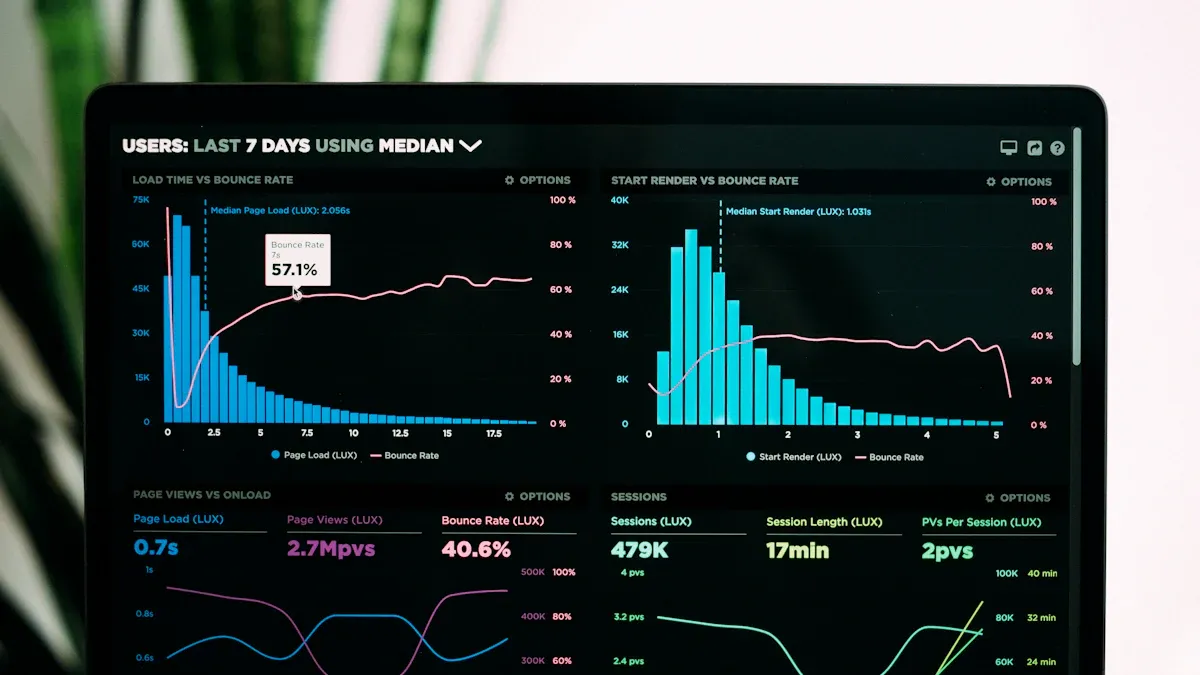
You want answers fast. Medallion Architecture helps you get there by organizing your data into clear layers. You don’t have to dig through messy files or wonder if your numbers are right. The structure makes it easy for you to find analysis-ready data. Engineers handle the raw stuff, while analysts focus on insights. This separation means you spend less time searching and more time solving problems.
When you use Singdata Lakehouse, you get curated data at your fingertips. You don’t need to worry about mixing up raw and clean data. Your team can jump straight into dashboards and reports.
Here are some common ways you use curated data every day:
Use Case | Description |
|---|---|
Managing metadata | You tag and index data so it’s easy to find. |
Governance and management | You set rules for how data gets used, keeping things reliable. |
Real-time dashboarding and reporting | You pull together info from different places for instant insights. |
You see the difference right away. Your team finds what they need, builds reports faster, and makes fewer mistakes.
Empowered Decision Making
You want to make smart choices. Medallion Architecture gives you the tools to do that. With high-quality data from the Gold Layer, you trust your numbers. You get pre-packaged datasets built for your business, so you don’t have to wait for IT to help.
Evidence Description | Source |
|---|---|
Data Products bridge the usability gap by delivering pre-packaged, domain-specific datasets tailored for decision-makers, leading to reduced time-to-value and operational complexity. | McKinsey |
Self-service analytics reduces reliance on central data teams, enabling end-users to access reliable, pre-approved datasets, thus unlocking new business insights at unprecedented speed. | McKinsey |
High-quality data from the Gold Layer ensures accuracy and reliability of products, building trust among users. | N/A |
Tip: When you have trusted data, you make decisions faster and with more confidence.
Here’s what happens when you use Medallion Architecture:
Reliable and accessible data helps you make informed decisions.
You develop products faster and improve customer experiences.
Your team responds quickly to market changes and offers personalized solutions.
You process data efficiently, which speeds up innovation.
You build trust with a single governed path for data.
Collaboration improves, and silos disappear.
You scale securely and add new data sources with ease.
Advanced analytics and AI become possible, so you get predictive insights.
You see the Top 5 Benefits come together. Your organization moves faster, works smarter, and gets more value from every piece of data.
Cost and Resource Efficiency
Optimized Storage Use
You want your data to take up less space and cost less to store. Medallion Architecture helps you do that. The layered approach means you only keep what you need at each stage. You store raw data in the Bronze layer, clean it up in Silver, and keep only the most valuable insights in Gold. This way, you avoid saving duplicate or outdated files.
Let’s say you work with millions of records. You don’t want to pay for storing every version. Medallion Architecture lets you set rules for how long you keep data. You can delete old files or move them to cheaper storage. You save money and keep your system running fast.
Here’s a quick table to show how storage gets optimized:
Layer | Storage Use | Benefit |
|---|---|---|
Bronze | Raw data, large | Full history, audit trail |
Silver | Cleaned, smaller | Reliable, ready for analysis |
Gold | Curated, smallest | Fast access, business value |
Tip: You can set up automatic clean-up jobs to remove old data and keep your lakehouse lean.
Lower Total Cost
You want to spend less on your data platform. Medallion Architecture helps you cut costs in many ways. You don’t need to buy extra hardware or pay for expensive upgrades. The structure makes it easy to scale up when you need more space or power. You avoid big migrations because your system stays organized and flexible.
Here’s what you get when you use Medallion Architecture:
Lower ongoing costs for maintenance and upgrades
Less need for future migrations
Longer lifespan for your data platform
Better return on investment
You don’t have to worry about surprise bills or sudden breakdowns. Your team spends less time fixing problems and more time using data to grow your business. You see the savings add up month after month.
When you choose Medallion Architecture on Singdata Lakehouse, you make your data platform last longer and work smarter. You keep costs down and get more value from every dollar you spend.
You’ve seen how the Top 5 Benefits can transform your data management. Medallion Architecture helps you handle large data volumes, improve governance, and boost team collaboration. You get better scalability and structured data transformation. The three layers—bronze, silver, and gold—make your data journey clear and reliable.
Key Takeaway | Description |
|---|---|
Manage Large Data Volumes | Handles extensive data for big organizations. |
Improve Data Governance | Makes governance easier and more effective. |
Enhance Team Collaboration | Helps teams work together across projects. |
Scalability and Performance | Keeps your system fast and flexible. |
Structured Data Transformation | Organizes data changes across all layers. |
You get data quality and transparency as your data moves through each layer.
Early scalability planning helps you avoid future headaches.
Ready to see these benefits in action? Try a pilot project or talk with Singdata experts to start your journey.
FAQ
What is the Medallion Architecture?
You organize your data into three layers: Bronze, Silver, and Gold. Each layer cleans and improves your data. You get raw data first, then cleaned data, and finally business-ready insights.
How does this help with data quality?
You catch errors early. Each layer checks and fixes problems. You end up with clean, reliable data for your reports.
Can I add new data sources easily?
Yes! You can plug in new sources without breaking your system. The layered setup lets you scale up fast.
Will this save me money?
You store only what you need. You avoid duplicates and old files. You spend less on storage and maintenance.
See Also
A Comprehensive Guide to Safely Link Superset with Singdata Lakehouse
Enhancing Dataset Freshness by Integrating PowerBI with Singdata Lakehouse
The Significance of Lakehouse Architecture in Modern Data Environments