
Best Unified Batch and Streaming Platform for a Small SQL Team
A buyer's guide for small SQL teams choosing a unified batch and streaming platform, scored on data contracts, metric definition, semantic layer governance, and preconditions.
AI agents query data around the clock, at a scale no human team ever did. Singdata is the lakehouse with the economics to keep up: incremental compute, fresh data, batch prices.
A buyer's guide for small SQL teams choosing a unified batch and streaming platform, scored on data contracts, metric definition, semantic layer governance, and preconditions.
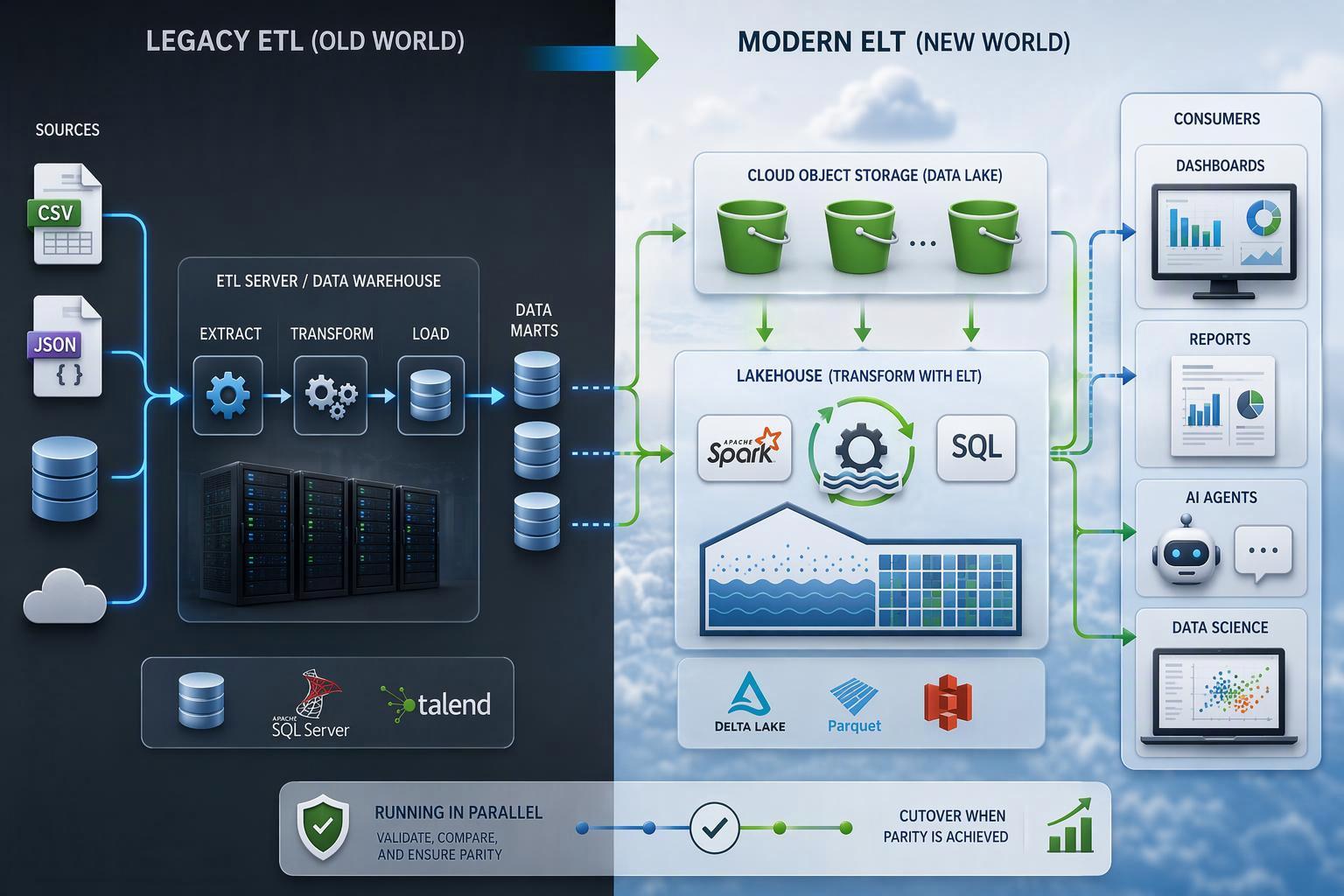
A technical comparison of ETL and ELT: why transformation placement decides layered pipelines, raw-data retention, reusable logic, reprocessing, and file-first ingestion.
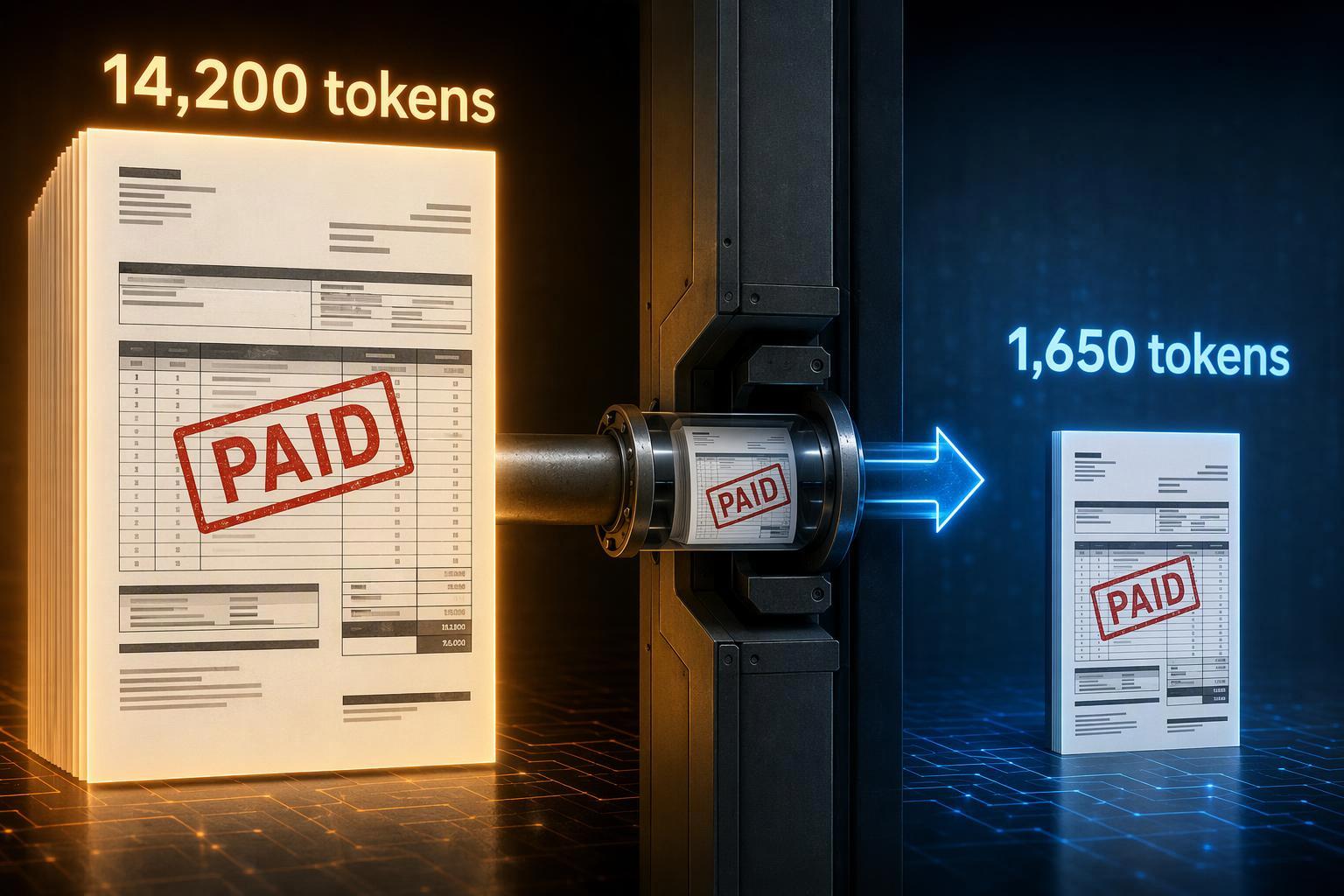
A single team's rebuild cut tokens per LLM call from 14,200 to 1,650 on the same pages. Why ingestion cost, not model price, drives agent bills.
Agent-run experiments shift reproducibility from human notes to execution traces. Why capture at execution time belongs in every agent-ification project's acceptance criteria.
A practical way to count the repeated cleaning, joins and de-duplication hidden behind BI dashboards, and to decide which preparation belongs in a shared, reusable data foundation.
A step-by-step ETL to ELT migration guide: land raw extracts in an object-storage landing zone, move transformation logic into the lakehouse, and run parallel synchronization until parity and near real-time freshness are proven for agentic AI consumers.
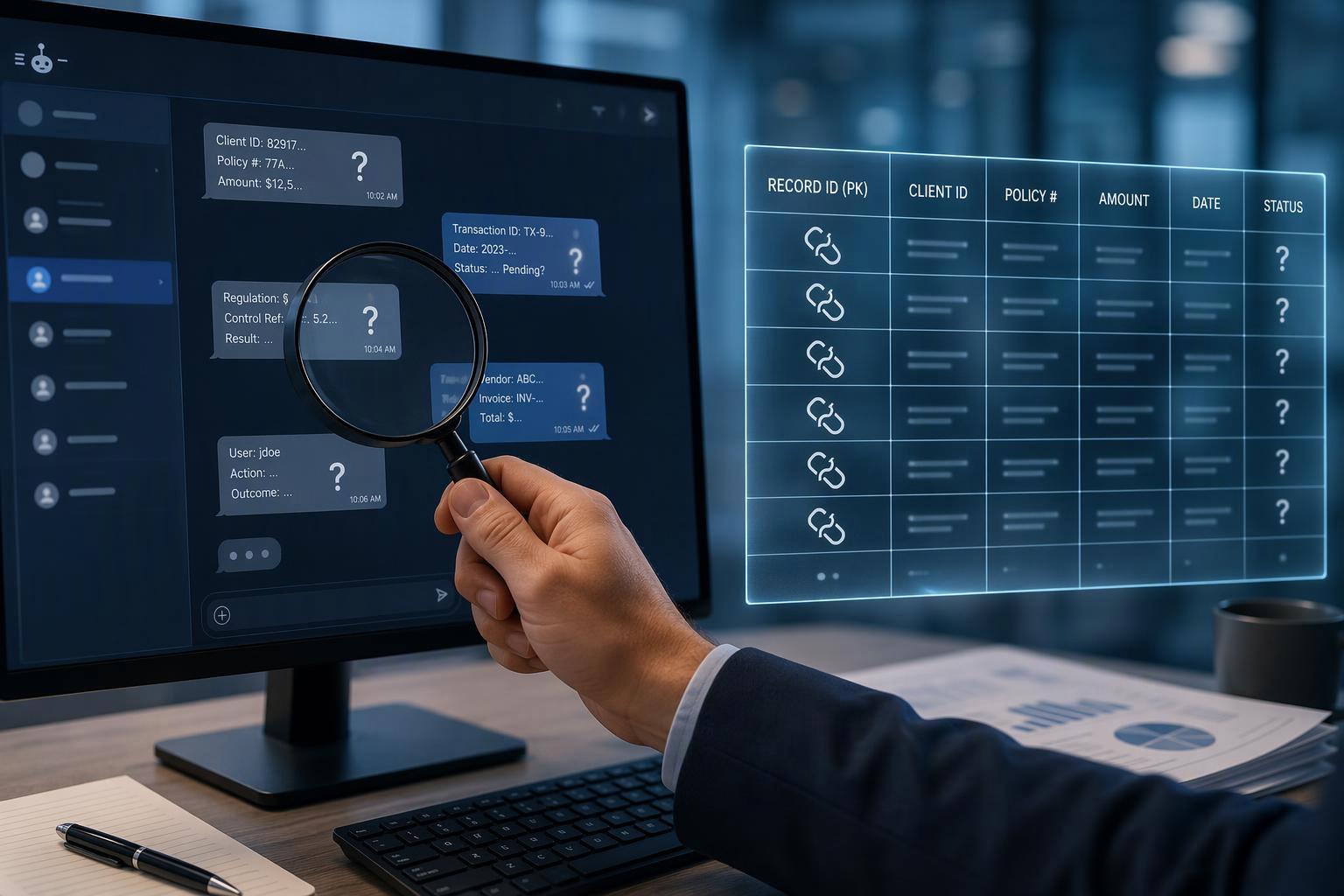
Why a stable record identity contract, not a better model, is the compliance asset: minimum key requirements, five tests that separate record-level controls from narrative summaries, and a vendor-neutral evaluation checklist.
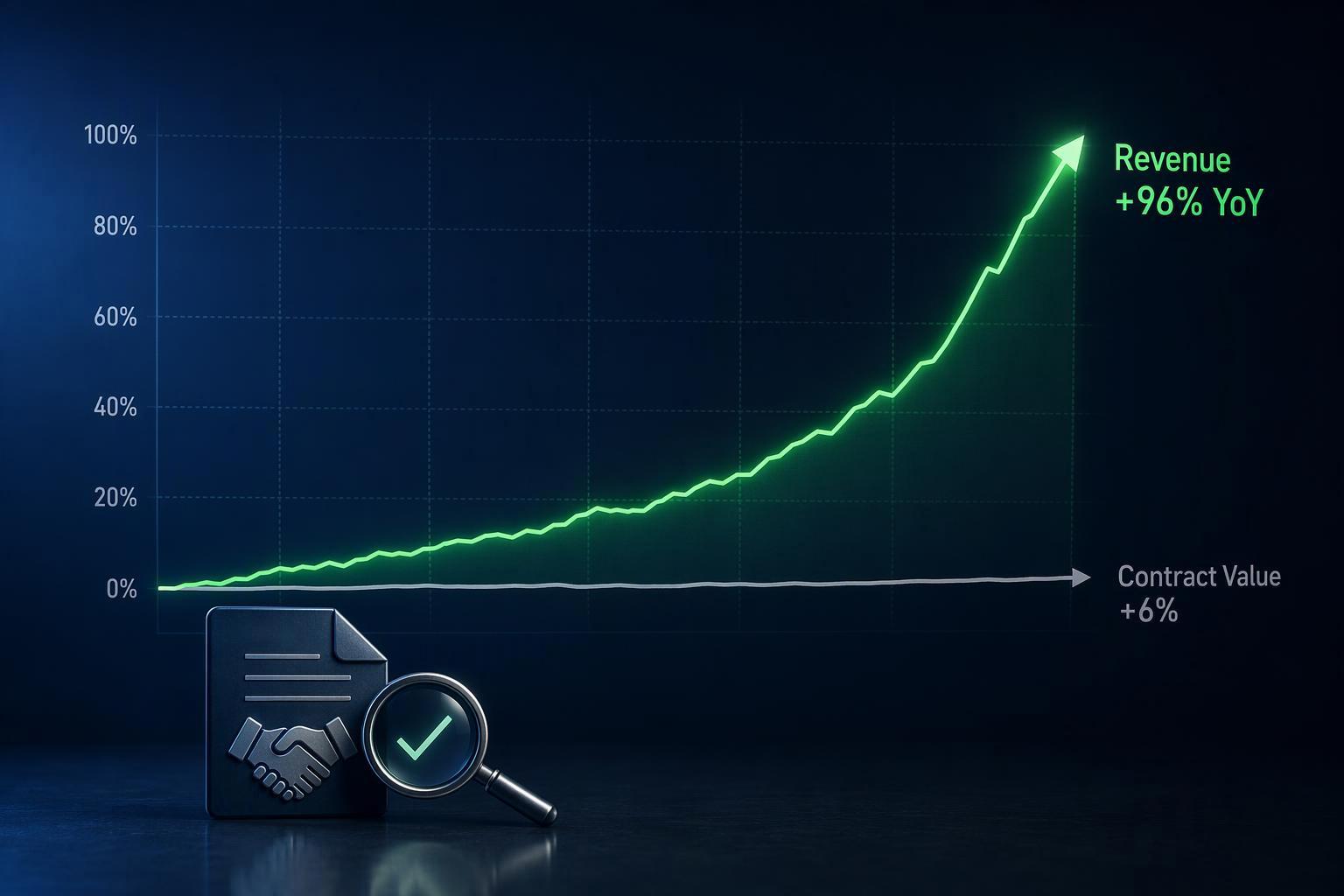
Palantir's Q3 2026 revenue grew 95.9% while total contract value rose 6%. Why AI buyers now fund a chain of bounded, falsifiable proofs instead of multi-year commitments, and the controls that keep those proofs from becoming platform drift.