
Key Thieves Read Your Bill, Not Your Data
Why stolen API keys on metered AI services are a billing attack, how to separate a theft spike from a workload spike, which controls bound the loss, and a 60-minute response sequence.
AI agents query data around the clock, at a scale no human team ever did. Singdata is the lakehouse with the economics to keep up: incremental compute, fresh data, batch prices.
Why stolen API keys on metered AI services are a billing attack, how to separate a theft spike from a workload spike, which controls bound the loss, and a 60-minute response sequence.
Why public corpora are becoming the exception in enterprise AI: dated evidence on robots.txt restrictions, licensing, disclosure duties, plus an acceptance checklist and governance tiers for public, licensed and internal data.
Why a security fix can be downloadable and diffable weeks before its advisory: how to measure the patch-to-advisory window, triage a release with no CVE, and co-release fixes with advisories.
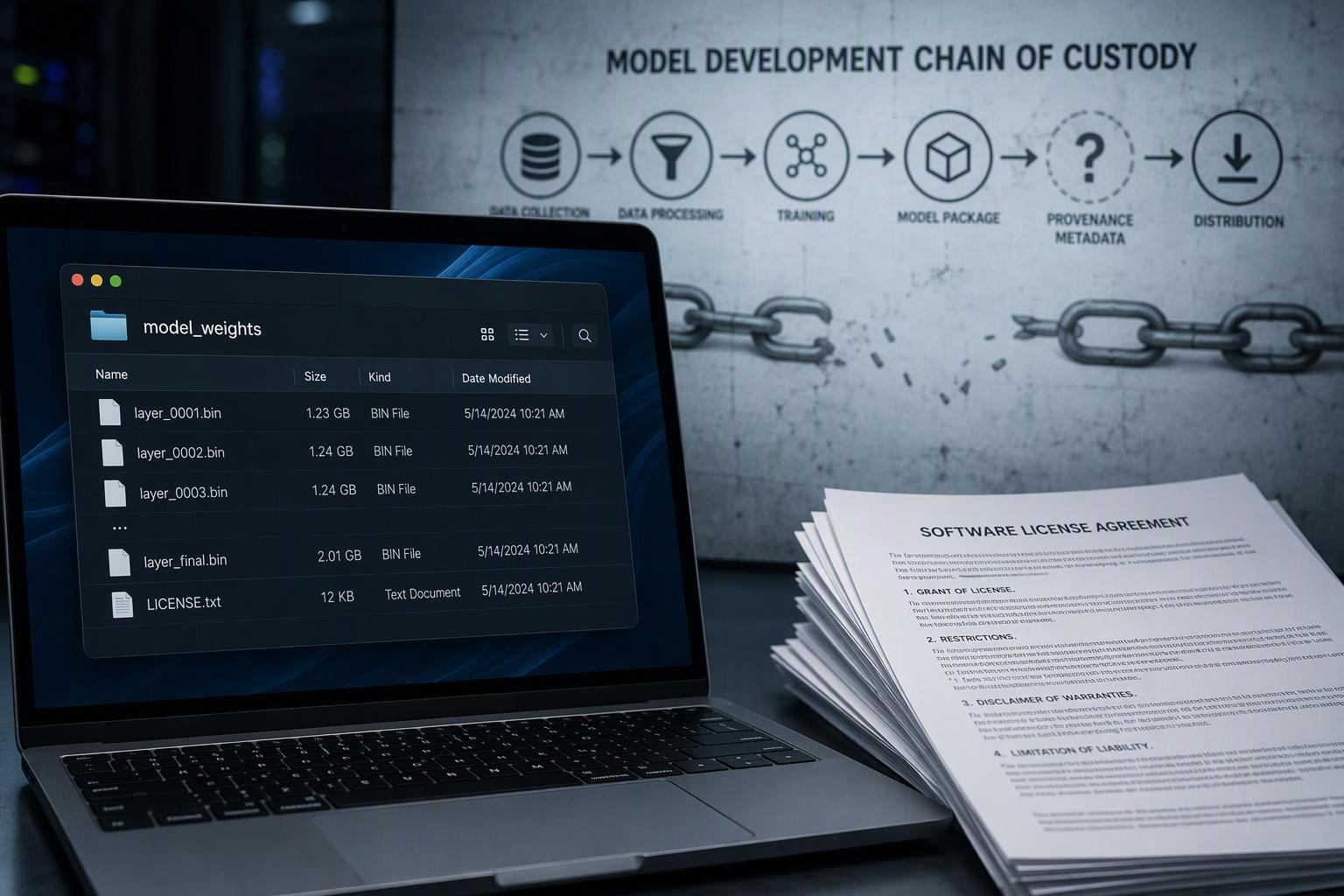
Open-weight downloads give you files and a licence, not a verified record of origin. A practical guide to licence obligations, checkpoint verification, disclosure gaps and data lineage for enterprise AI deployments.
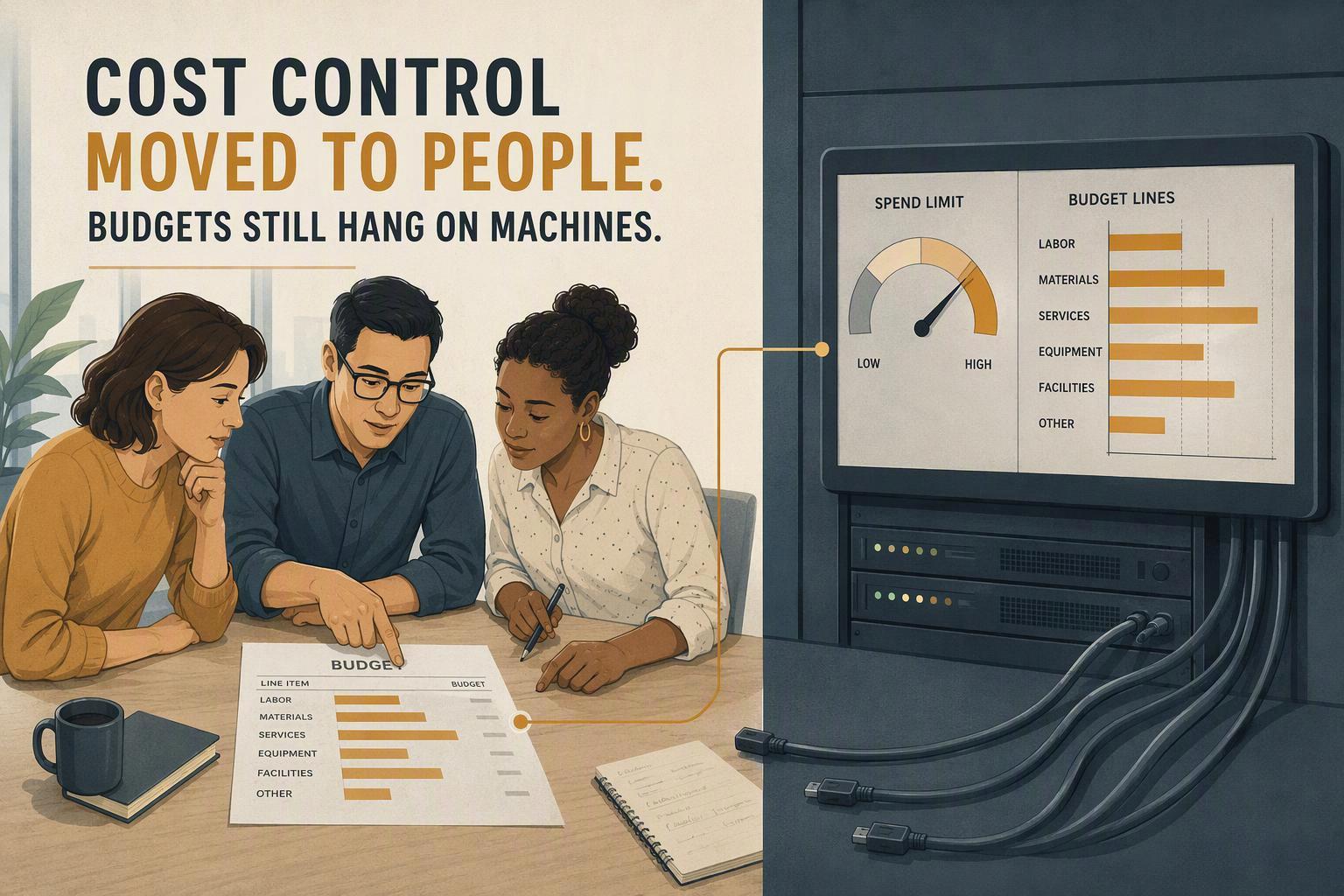
Why mature FinOps tooling coexists with rising cloud waste: a decision-ownership matrix, provider-documented enforcement limits, and an acceptance checklist for a cost control operating model for data and AI platforms.
Detection is not control: why agent escapes are only visible after the fact, and how to move the stop to the API boundary with identity, typed requests, deterministic policy, fail-closed decisions, and durable denial records.
A semantic layer makes governed metrics findable and executable across tools and agents, but it does not settle what a term means. Here is what it unifies, who owns definitions, and how to test whether yours works.
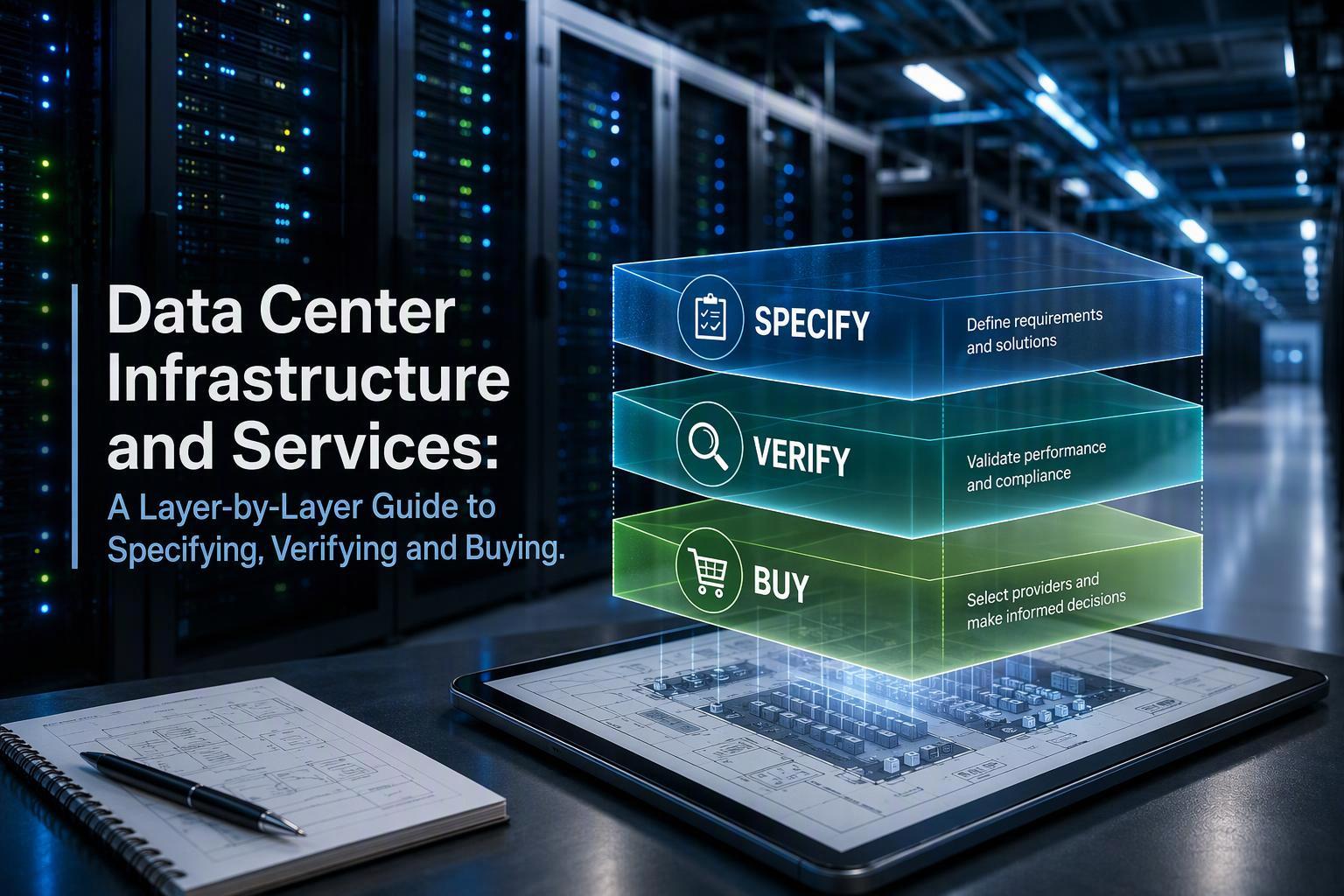
A procurement guide separating data center infrastructure from the services consumed on top: layer definitions, responsibility boundaries, RTO/RPO classification, testable acceptance criteria, certificate verification, AI density scoping and a traceable TCO structure.
Why a bare weekly forecast approval no longer proves human judgment when agents draft the baseline and adjustments — and how a judgment record, split FP&A and data engineering accountability, and a versioned weekly freeze make sign-off testable.